Blog
Retention Strategies: Reduce Uber Eats Dependence and Grow Direct Orders
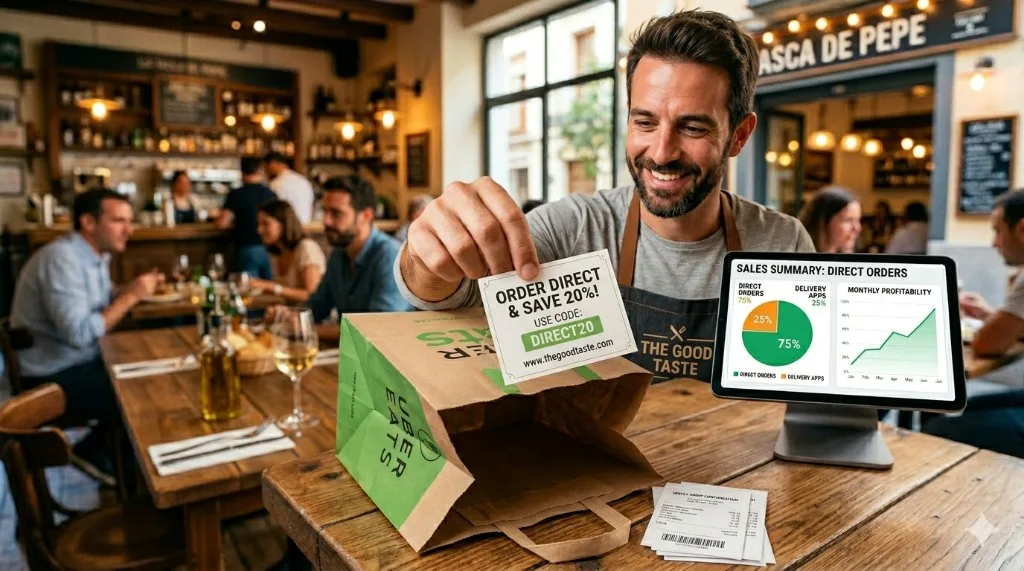
In today’s competitive food delivery market, many restaurants rely heavily on third-party platforms like Uber Eats to generate sales. However, excessive Eats dependence can erode profit margins, limit customer data access, and reduce brand loyalty. This article explores effective retention strategies designed to reduce reliance on Uber Eats and increase direct orders. By understanding the nuances of Eats dependence, businesses can create sustainable growth models that prioritize customer engagement and profitability. Through real-world examples and actionable advice, restaurant owners and managers will learn how to balance convenience with control, fostering stronger connections with their customers.
Understanding Eats Dependence: What It Means and Why It Matters
Eats dependence refers to a restaurant's reliance on third-party food delivery platforms like Uber Eats for a significant portion of their sales. While these platforms offer broad exposure and convenience, heavy dependence can create vulnerabilities. For example, high commission fees, often ranging from 15% to 30% per order, can substantially reduce profit margins. Moreover, restaurants lose direct access to customer data, making it difficult to build long-term loyalty or implement personalized marketing strategies.
Understanding the scope of Eats dependence is crucial for any restaurant aiming to maintain control over their brand and financial health. For instance, a study by the National Restaurant Association found that restaurants with over 50% of sales through third-party platforms reported lower profitability and weaker customer retention. This dependence also exposes businesses to external risks, such as sudden changes in platform policies or fee structures.
Reducing Eats dependence does not mean abandoning delivery platforms altogether but rather balancing third-party orders with direct channels. Direct orders typically yield higher profits because they avoid platform fees and allow businesses to collect valuable customer information. This data can then be used to tailor promotions, enhance customer experiences, and encourage repeat business.
In the broader landscape of digital food delivery, the ability to diversify sales channels is a competitive advantage. Restaurants that successfully reduce Eats dependence often enjoy increased operational flexibility and stronger brand loyalty. For example, some independent pizzerias have reported a 20% increase in overall profits after investing in their own online ordering systems and loyalty programs.
For more detailed insights on food delivery trends and impacts, explore food delivery dynamics on Wikipedia.
Key Retention Strategies to Reduce Eats Dependence
Addressing Eats dependence requires a multi-faceted approach focused on customer retention and direct order growth. The most effective strategies combine technology, marketing, and customer experience enhancements. Here are several proven tactics:
Developing an Efficient Direct Ordering System
One of the foundational steps to reducing Eats dependence is investing in a user-friendly online ordering platform. This can be a dedicated website or a mobile app that simplifies the ordering process, offers customization options, and integrates with the restaurant’s POS system.
For example, Sweetgreen, a fast-casual chain, developed a proprietary app that not only facilitates orders but also offers personalized meal recommendations based on past purchases. This approach has helped them increase direct orders and reduce reliance on third-party platforms.
Implementing Loyalty and Rewards Programs
Loyalty programs incentivize repeat purchases and build emotional connections with customers. By offering points, discounts, or exclusive offers for direct orders, restaurants can encourage customers to bypass delivery apps.
Case in point: Panera Bread’s loyalty program integrates rewards with their app and website, which has resulted in a significant rise in direct online orders. Their data-driven approach enables targeted promotions that further boost customer retention.
Leveraging Email and SMS Marketing
Direct communication channels like email and SMS provide personalized touchpoints that third-party platforms cannot offer. Regular updates about new menu items, special deals, or events can keep customers engaged and motivate direct ordering.
For instance, a mid-sized bistro in Chicago saw a 15% lift in direct orders after launching a segmented email campaign targeting frequent third-party customers with exclusive discounts.
Offering Exclusive Menu Items or Discounts for Direct Orders
Creating unique incentives for ordering directly helps differentiate the direct channel from third-party apps. This could include special menu items, bundle offers, or lower delivery fees.
For example, a sushi restaurant in San Francisco introduced a "Direct Order Only" roll, which quickly became a popular reason for customers to order through their website instead of Uber Eats.
Balancing Convenience and Customer Experience
Reducing Eats dependence doesn't mean compromising on convenience, which is a primary reason customers use third-party platforms. Restaurants must match or exceed the ease of ordering, payment options, and delivery speed offered by these platforms.
Investing in streamlined checkout processes, multiple payment methods, and real-time order tracking can significantly improve the direct ordering experience. For instance, Domino’s Pizza offers a seamless online ordering platform with order tracking and multiple payment options, contributing to their strong direct order volume.
Another important factor is reliable delivery. Many restaurants partner with local courier services or develop in-house delivery teams to maintain control over customer experience. While this requires operational investment, it can result in faster deliveries and higher customer satisfaction.
Balancing these elements requires careful planning and ongoing analysis. Restaurants should collect feedback regularly to identify friction points and optimize their direct ordering systems accordingly.
Measuring Success and Adjusting Strategies
To effectively reduce Eats dependence, restaurants must track key performance indicators (KPIs) related to both direct and third-party orders. Important metrics include:
- Percentage of total sales from direct orders versus third-party platforms
- Customer retention rates and repeat purchase frequency
- Average order value across channels
- Customer acquisition costs for direct channels
- Profit margins per order type
Using analytics tools integrated with POS systems or CRM platforms enables detailed tracking and insights. For example, a café in New York used Google Analytics alongside their online ordering system to monitor conversion rates and customer behavior, adjusting marketing campaigns to increase direct orders by 25% in six months.
Regularly reviewing this data allows businesses to identify which strategies are most effective and where further improvements are needed. It also helps in forecasting the financial impact of reducing Eats dependence.
For guidance on e-commerce analytics and measurement, consult Google’s Search Central documentation.
Common Mistakes When Trying to Reduce Eats Dependence
Many restaurants encounter pitfalls when attempting to shift away from third-party platforms. Recognizing and avoiding these mistakes can save time and resources.
Neglecting the User Experience on Direct Channels
Some businesses create direct ordering platforms but overlook usability, leading to poor customer experiences. Slow load times, complicated navigation, or lack of mobile optimization can drive customers back to Uber Eats for convenience.
Investing in professional web and app design, regular testing, and user feedback is essential to keep direct channels competitive.
Underestimating Marketing Efforts Required
Direct order growth requires active marketing. Simply launching a website or app without promoting it through email, social media, or in-store signage limits its impact. Many restaurants fail to allocate sufficient resources to marketing, resulting in low adoption.
Consistency and creativity in messaging, combined with targeted campaigns, are necessary to shift customer behavior.
Ignoring Delivery Logistics and Customer Service
Delivery speed and reliability are key reasons customers choose Uber Eats. Restaurants that do not invest in efficient delivery operations or responsive customer service risk disappointing customers and losing repeat business.
Establishing clear delivery protocols, training staff, and monitoring performance are critical components of reducing Eats dependence.
Practical Steps to Begin Reducing Eats Dependence Today
Transitioning away from heavy Eats dependence is a gradual process that requires strategic planning. Here is a practical checklist to get started:
- Audit current sales channels: Analyze what percentage of orders come from Uber Eats versus direct channels.
- Invest in direct ordering technology: Upgrade or launch a website/app with a seamless ordering experience.
- Launch a loyalty program: Reward customers for direct orders with points or discounts.
- Communicate proactively: Use email and SMS marketing to promote direct ordering benefits.
- Enhance delivery operations: Explore in-house delivery or trusted local couriers to maintain service quality.
- Monitor performance: Track KPIs regularly and adjust strategies based on data insights.
By following these steps, restaurants can build a more sustainable and profitable order ecosystem, reducing the risks associated with Eats dependence.
Frequently Asked Questions About Eats Dependence

What are the main risks of relying heavily on Uber Eats?
Heavy reliance on Uber Eats exposes restaurants to high commission fees, loss of direct customer relationships, and vulnerability to sudden platform policy changes. This can reduce profitability and limit brand control.
How can restaurants encourage customers to order directly?
Restaurants can encourage direct orders by offering loyalty rewards, exclusive menu items, easier ordering experiences, and personalized marketing through email or SMS campaigns.
Is it feasible for small restaurants to manage their own delivery?
While challenging, small restaurants can manage delivery through local courier partnerships or by hiring dedicated drivers. The key is ensuring delivery speed and service quality match customer expectations to compete with third-party platforms.
For more detailed strategies on customer retention, consider reviewing resources from Forbes insights on building customer loyalty.
Reclaim your margins
Commission-free ordering needs the right stack. Explore restaurant marketing and development services and more on our topic cluster blog .
Turn insights into measurable growth
Book a strategy conversation with Pont Digital. We help startups and SMBs across Canada and the U.S. with SEO, leads, and conversion-focused marketing.