Blog
Practical Local SEO for Restaurant: Attract Guests in Your Area
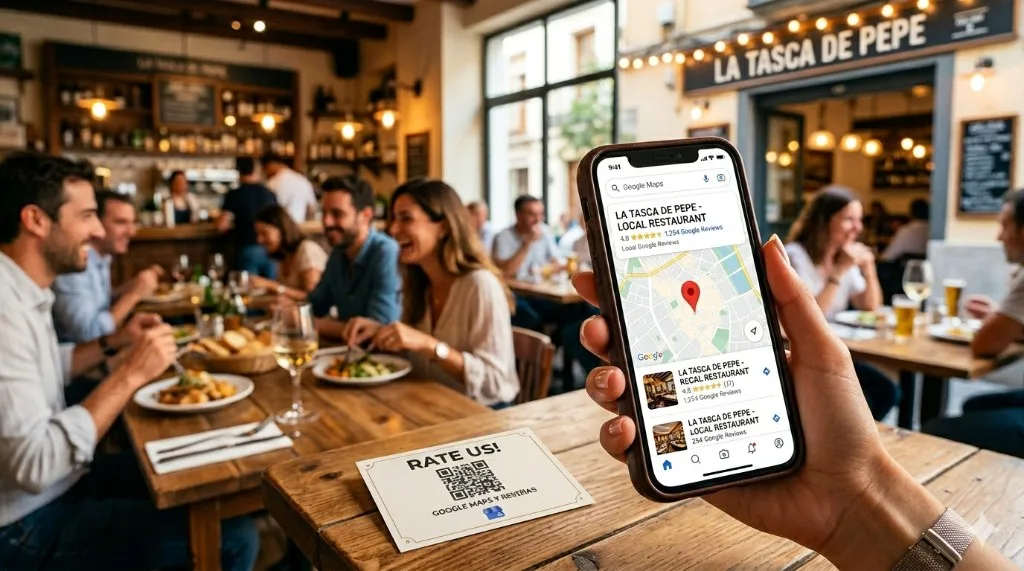
Local SEO for restaurant businesses is an essential strategy that focuses on enhancing a restaurant’s visibility in location-based search results. For restaurants, capturing the attention of nearby diners is crucial, as most customers search for dining options close to them. This article delves into practical approaches to mastering local SEO for restaurants, providing detailed insights on how to increase foot traffic, improve online presence, and ultimately attract more guests from your surrounding area. By understanding and applying these techniques, restaurant owners can compete effectively in local markets and build lasting relationships with their communities.

Understanding Local SEO for Restaurant: Definition and Scope
Local SEO for restaurant refers to optimizing a restaurant’s online presence to appear prominently in search engine results when potential customers look for dining options in a specific geographic area. Unlike general SEO, which targets broader audiences, local SEO narrows the focus to nearby users, leveraging location signals and local intent. This includes optimizing Google My Business profiles, local citations, on-page SEO with location keywords, and gathering customer reviews.
Restaurants benefit immensely from local SEO because dining decisions are often spontaneous and location-dependent. For instance, a traveler searching "best Italian restaurant near me" expects results tailored to their current city or neighborhood. Effective local SEO ensures your restaurant is visible for these queries, driving higher quality traffic likely to convert into actual visits.
Local SEO integrates with broader digital marketing efforts, including social media and reputation management, but its core remains rooted in local search engine results pages (SERPs). According to Google’s official guidelines on local search, consistent, accurate business information and customer engagement are critical ranking factors.
To illustrate, a restaurant in Austin, Texas, optimizing for local SEO will focus on keywords such as "Austin brunch spots" or "best tacos in Austin," and ensure its contact information, hours, and menu are current across all platforms.
How Customers Discover Restaurants Locally
Understanding how diners find restaurants locally is fundamental to crafting a successful local SEO strategy. Most consumers use mobile devices to search for nearby dining options, often using phrases like "near me" or specifying their location. Google reports that over 50% of local mobile searches lead to a store visit within a day, highlighting the immediacy and intent behind local search queries.
Discovery channels include search engines, map services, and social media platforms. Google Maps is a dominant tool, showing restaurants based on proximity, ratings, and relevance. Yelp and TripAdvisor also influence decisions, especially for tourists or those unfamiliar with an area.
Social proof, including reviews and photos shared by customers, plays a major role in discovery. A restaurant with numerous positive reviews and recent customer photos appears more trustworthy and appealing, increasing the likelihood of attracting new guests.
For example, a family planning dinner might search "family-friendly restaurants near downtown," relying heavily on Google Maps results and online reviews to shortlist options. Restaurants visible in these channels with optimized profiles have a competitive edge.
Effective Local SEO Strategies for Restaurants
Developing a comprehensive local SEO plan involves multiple coordinated tactics that align with how local search engines prioritize content. The following strategies are proven to enhance a restaurant’s local search visibility and attract more guests.
Optimize Your Google Business Profile
Claiming and thoroughly optimizing your Google Business Profile (formerly Google My Business) is the cornerstone of local SEO for restaurants. Ensure your profile includes accurate business name, address, phone number (NAP), hours, website link, and detailed categories.
Use high-quality photos of your restaurant’s interior, menu items, and ambiance to engage potential customers visually. Regularly update posts with promotions or events to keep your profile dynamic. Responding promptly to reviews, both positive and negative, demonstrates active management and builds trust.
Consistent Local Citations and Listings
Local citations are mentions of your restaurant’s NAP on other websites, directories, and social platforms. Consistency across all citations is critical; discrepancies can confuse search engines and reduce ranking potential.
Submit your restaurant details to prominent local directories like Yelp, TripAdvisor, and Zomato. Also, ensure presence on niche or city-specific directories. Tools like Moz Local or BrightLocal can help monitor and manage citations efficiently.
Local Keyword Research and On-Page SEO
Research keywords that combine your cuisine or restaurant type with local intent. Examples include "vegan cafe in Brooklyn" or "seafood restaurant near Seattle waterfront." Use these keywords naturally in page titles, meta descriptions, headers, and throughout your website content.
Creating location-specific landing pages or sections can boost relevance for multiple areas if your restaurant has several branches. Additionally, including schema markup for local business and menu details helps search engines understand your content better, improving rich result eligibility.
Leverage Customer Reviews and Reputation Management
Reviews are a significant ranking factor in local SEO. Encourage satisfied customers to leave reviews on Google and other platforms. Make the process simple by providing direct links on receipts, emails, or social media.
Address negative reviews professionally and swiftly to demonstrate commitment to customer satisfaction. Highlight positive feedback on your website and social channels to build credibility and attract new patrons.
Engage with Local Community and Events
Participating in local events, sponsorships, or collaborations can earn backlinks from community websites and press coverage, which positively impact SEO. Sharing local stories or featuring local ingredients on your website and social media connects your restaurant to the community, enhancing local relevance.
Common Pitfalls in Local SEO for Restaurants and How to Avoid Them
While local SEO offers substantial benefits, several common mistakes can undermine efforts. Recognizing and avoiding these pitfalls can save time and resources.
Inconsistent Business Information
One of the most frequent errors is inconsistent or outdated business information across listings. Even minor discrepancies in phone numbers, addresses, or hours can confuse search engines and potential customers. Regular audits of your citations and profiles are essential to maintain uniformity.
Neglecting Mobile Optimization
Given the dominance of mobile searches for local queries, a website that is not mobile-friendly will lose potential visitors. Slow load times, poor navigation, or non-responsive design frustrate users and negatively impact rankings. Use tools like Google’s Mobile-Friendly Test to identify issues.
Ignoring Customer Reviews
Failing to actively solicit, monitor, and respond to reviews limits the restaurant’s ability to build trust and improve local rankings. Negative reviews left unaddressed can harm reputation and deter guests. A structured review management process is key.
Overlooking Local Content
Some restaurants miss opportunities by focusing solely on generic SEO content rather than incorporating local flavor. Content that highlights neighborhood events, local suppliers, or customer stories resonates better with local audiences and supports SEO.
Advanced Local SEO Insights for Restaurants
For restaurants looking to deepen their local SEO impact, advanced tactics can provide an edge in competitive markets.
Utilize Structured Data Markup
Implementing schema markup tailored for restaurants, such as Restaurant schema and Menu schema, helps search engines display rich snippets including menus, prices, and reviews directly in search results. This enhances click-through rates by providing detailed information upfront.
Optimize for Voice Search
With the rise of voice assistants, optimizing for voice search queries is increasingly relevant. Voice searches tend to be more conversational and question-based, such as "Where can I find gluten-free pizza nearby?" Incorporate natural language and FAQs on your site to capture this traffic.
Leverage Local Link Building
Building backlinks from local blogs, news outlets, and community organizations boosts authority and signals local relevance. Hosting events or collaborating with local influencers can generate valuable mentions and links.
Practical Applications: Step-by-Step Local SEO Checklist for Restaurants
Applying local SEO strategies systematically ensures consistent progress. Below is a practical checklist to guide restaurant owners and managers through essential actions.
- Claim and verify your Google Business Profile. Complete all fields with accurate information and add high-quality photos.
- Audit and standardize your NAP across all listings. Use citation management tools to identify inconsistencies.
- Research local keywords relevant to your cuisine and location. Integrate them naturally into your website content and metadata.
- Encourage and manage customer reviews. Provide easy ways for guests to leave feedback and respond promptly.
- Ensure your website is mobile-friendly and fast-loading. Test regularly and optimize images and code.
- Implement structured data markup for menus and business details. Use Google’s Rich Results Test to verify.
- Create localized content featuring community involvement, events, and local partnerships.
- Build local backlinks through collaborations and sponsorships. Reach out to local blogs and news sites.
Following this checklist methodically can significantly improve local search performance and attract more guests.
Frequently Asked Questions About Local SEO for Restaurant
How long does it take to see results from local SEO efforts?
Local SEO results can vary, but typically, restaurants may start noticing improvements in local rankings and increased foot traffic within 3 to 6 months. Factors such as competition level, consistency of information, and quality of optimization influence the timeline.
Is managing online reviews really that important for local SEO?
Yes, reviews are a major ranking factor for local search algorithms. They also influence customer trust and decision-making. Actively managing reviews by encouraging feedback and responding to customers enhances your online reputation and local SEO performance.
Can a restaurant rank well locally without a website?
While a Google Business Profile can provide visibility, having a website significantly boosts credibility and SEO potential. A well-optimized site offers control over content, menus, and branding, which supports higher rankings and better user experience.
What are the best tools for managing local SEO for restaurants?
Tools like Google Business Profile Manager, Moz Local, BrightLocal, and SEMrush provide valuable insights and management features for local SEO. They help track rankings, audit citations, monitor reviews, and analyze competitor strategies.
Conclusion

Local SEO for restaurant businesses is a multifaceted discipline that demands attention to detail, consistency, and ongoing engagement. By focusing on accurate business listings, optimizing for local keywords, managing reviews, and leveraging community connections, restaurants can significantly increase their visibility and attract more guests from their immediate area.
Implementing these strategies with a practical, step-by-step approach allows restaurant owners to build a strong local presence that stands out in crowded markets. Staying informed about evolving search trends, such as voice search and structured data, further enhances competitive advantage and ensures sustainable growth.
For further guidance on local SEO best practices, Google’s official documentation offers comprehensive resources on local search optimization.
Take your restaurant further
Local algorithms take time and technical precision. See our restaurant marketing agency services or browse the restaurant blog hub .
Turn insights into measurable growth
Book a strategy conversation with Pont Digital. We help startups and SMBs across Canada and the U.S. with SEO, leads, and conversion-focused marketing.