Blog
Restaurant Advertising: Fill Slow Nights with Google and Meta Ads
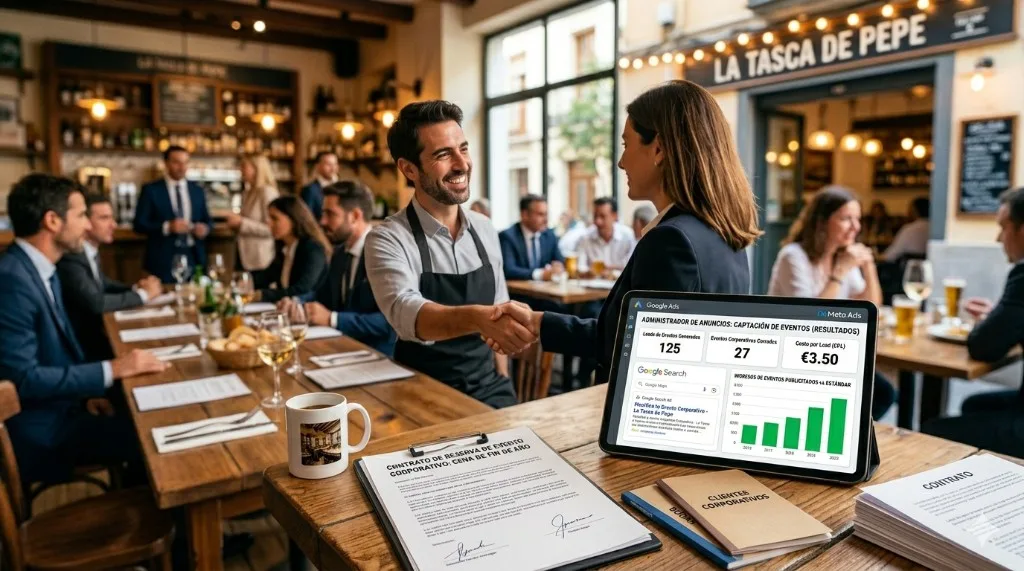
Restaurant advertising plays a crucial role in attracting customers during slow periods, especially during evenings or weekdays when foot traffic tends to drop. Leveraging digital platforms like Google and Meta (Facebook and Instagram) ads offers restaurants a targeted and cost-effective way to boost visibility and increase bookings on these quieter nights. This article explores how restaurant advertising can be strategically designed using these platforms to maximize customer acquisition, optimize ad spend, and ultimately improve revenue. Understanding how to navigate these advertising channels with real-world examples and actionable steps can transform slow nights into profitable opportunities.
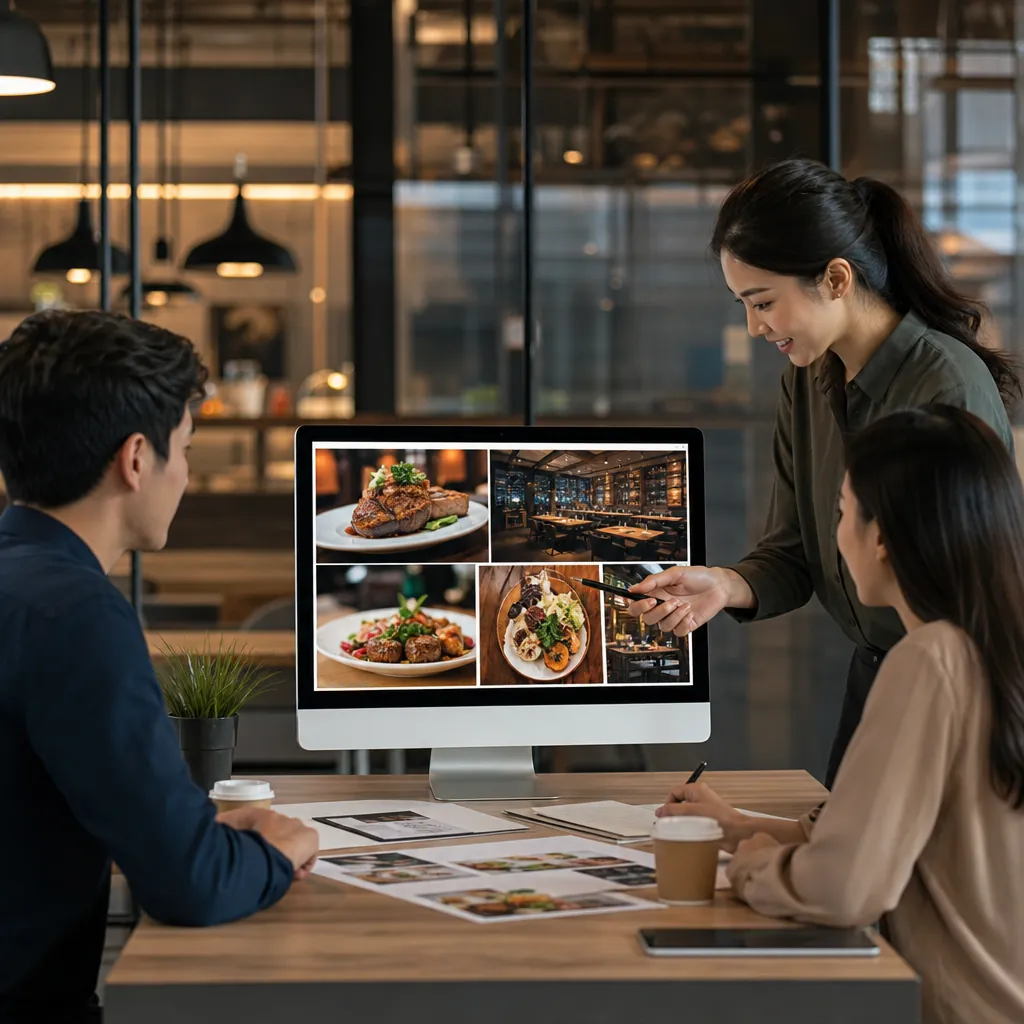
Understanding Restaurant Advertising and Its Importance
Restaurant advertising refers to the promotion of dining establishments through various marketing channels to attract potential customers. It encompasses traditional methods such as flyers and billboards, but increasingly focuses on digital advertising due to its precision targeting and measurable results. The scope of restaurant advertising extends from brand awareness campaigns to direct response ads aimed at driving reservations or orders.
In the broader marketing landscape, restaurant advertising sits at the intersection of local business promotion and consumer engagement. Unlike retail products, dining experiences are time-sensitive and location-dependent, requiring advertising strategies that address immediacy and geographic targeting. For example, a restaurant may want to promote a weekday happy hour special specifically to nearby office workers.
Digital advertising platforms like Google Ads and Meta Ads provide tools to reach highly specific audiences based on demographics, interests, and behaviors. According to digital marketing research, local search ads on Google can increase restaurant visits by up to 20%, highlighting the effectiveness of targeted advertising in this sector.
Moreover, restaurant advertising is not limited to acquiring new customers; it also nurtures loyalty by keeping past diners engaged through retargeting and personalized offers. Given the competitive nature of the food industry, a well-executed advertising plan can differentiate a restaurant and ensure steady traffic, especially during slow nights.
How Customers Discover Restaurants: The Role of Digital Platforms
Consumers today rely heavily on online platforms to find dining options. Google Search and Maps, along with social media sites like Facebook and Instagram, are among the top discovery tools. When a potential customer searches for "restaurants near me" or browses social feeds, well-placed ads can influence their decision instantly.
Google’s local search ads allow restaurants to appear at the top of search results for relevant queries, while Meta’s advertising network enables visually appealing promotions that can reach users based on location, interests, and even recent dining behavior. For example, a restaurant can target users who have recently engaged with food-related content or visited similar eateries.
Discovery is often the first step in the customer journey, and well-targeted ads on these platforms increase the chances of being found by hungry diners at the right moment. A case study of a mid-sized urban restaurant showed that using Google Local Service Ads combined with Instagram Stories ads increased weekday reservations by 25% within two months.
Restaurants can also leverage user-generated content and reviews within these platforms to build credibility. Ads that feature positive reviews or high ratings can boost trust and click-through rates, making discovery more effective.
Effective Strategies for Restaurant Advertising Using Google and Meta Ads
To maximize the impact of restaurant advertising on slow nights, a strategic approach to campaign setup and management is essential. Both Google and Meta platforms offer robust targeting options, but success depends on aligning these tools with clear objectives and audience insights.
Targeting and Audience Segmentation
Start by identifying the ideal customer segments who are likely to dine during slow periods. This might include local residents, office workers finishing late shifts, or families looking for affordable weeknight meals. On Google Ads, use geo-targeting to focus on users within a specific radius of the restaurant, and schedule ads to run during hours leading up to slow nights.
Meta Ads allow for granular audience segmentation based on interests, behaviors, and demographics. For instance, targeting users who follow food bloggers or have recently interacted with similar restaurants can yield higher engagement. Custom Audiences can be created from the restaurant’s existing customer database to re-engage past visitors with exclusive offers.
Ad Formats and Creative Best Practices
Google offers formats such as Search Ads, Display Ads, and Local Service Ads that suit different campaign goals. Search Ads capture intent-driven traffic, while Display Ads can raise awareness with compelling visuals. Meta Ads excel with image, video, carousel, and story formats, which are ideal for showcasing menu highlights, ambiance, and promotions.
Use high-quality images of popular dishes or short videos demonstrating the dining experience. Including clear, time-sensitive offers like "20% off after 8 PM on weekdays" encourages immediate action. Incorporate strong but non-aggressive calls to action such as "Book your table" or "Explore tonight’s menu." Regularly refresh ad creatives to avoid fatigue and maintain relevance.
Budgeting and Bidding Approaches
Allocate ad budgets based on expected ROI and the cost of acquiring a diner. For example, if the average customer spends $30, setting a cost-per-acquisition target of $5-$10 is reasonable. Use automated bidding strategies like Target CPA on Google Ads or Lowest Cost on Meta Ads to optimize spending.
Consider running small test campaigns to gather performance data and adjust bids accordingly. During slow nights, increasing bids slightly can help ads win auctions when competition is lower, maximizing visibility without overspending.
Measuring Success: Tracking and Optimization Techniques
Effective restaurant advertising requires continuous measurement and refinement. Both Google and Meta provide robust analytics to monitor ad performance, including impressions, clicks, conversions, and cost metrics.
Set up conversion tracking to measure key actions such as online reservations, click-to-call, or menu views. For example, integrating Google Analytics with Google Ads allows attribution of reservations to specific campaigns. Meta’s pixel tracking offers similar insights for Facebook and Instagram ads.
Analyze data to identify which ads, audiences, and times generate the best results. Adjust targeting, creative, and budgets based on these insights to improve efficiency. For instance, if ads targeting office workers after 6 PM perform best, concentrate spend on that segment and schedule.
Regular A/B testing of ad copy, images, and offers helps refine messaging and maximize engagement. Additionally, monitoring negative feedback or ad relevance scores can prevent wasted spend on ineffective ads.
Common Pitfalls in Restaurant Advertising and How to Avoid Them
Many restaurants fall into common traps that reduce the effectiveness of their advertising efforts. One major mistake is poor targeting, casting too wide a net results in wasted budget on uninterested users. Precise geo and audience targeting are critical for restaurants due to their local and time-sensitive nature.
Another pitfall is neglecting ad creative quality. Low-resolution images, generic messages, or unclear offers fail to capture attention. Investing in professional photos or videos and crafting clear, compelling ad copy pays dividends.
Ignoring tracking and analytics is also a frequent error. Without data, restaurants can’t understand what’s working or justify their ad spend. Setting up conversion tracking and reviewing metrics regularly is essential.
Finally, running ads without a clear objective, such as brand awareness versus direct bookings, leads to unfocused campaigns. Define goals clearly upfront and select ad formats and KPIs accordingly.
Practical Applications: Real-World Use Cases and Next Steps
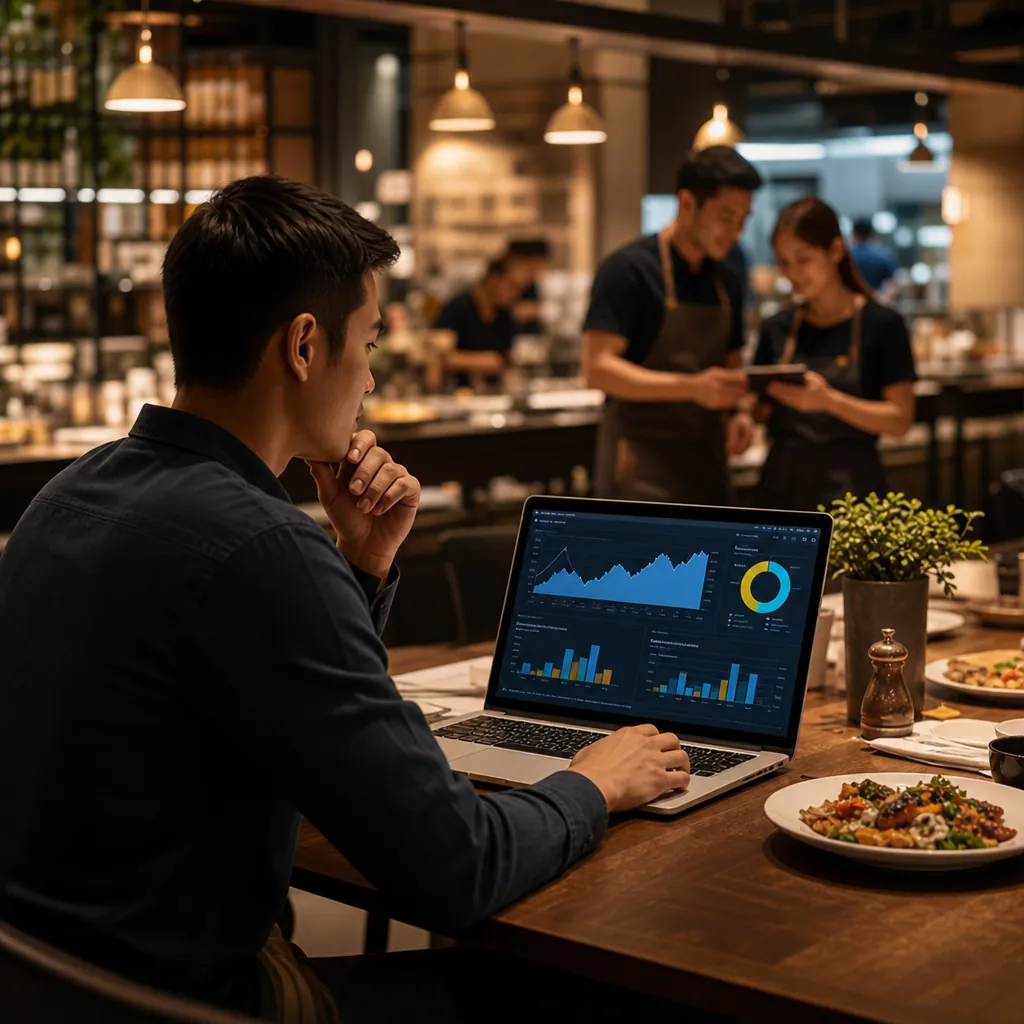
Consider a small bistro located in a busy urban neighborhood experiencing slow Tuesdays and Wednesdays. By launching a Google Local Service Ad campaign targeting users within a 3-mile radius and scheduling ads from 4 PM to 8 PM, the bistro increased weekday reservations by 18% within six weeks. Simultaneously, Meta Ads targeting local foodies with carousel ads showcasing new menu items boosted online engagement.
Another example involves a family restaurant using Meta’s Custom Audiences to retarget diners who visited during weekends with exclusive midweek discounts. This strategy increased off-peak customer traffic by 22%, demonstrating the value of retargeting in restaurant advertising.
For restaurants starting with Google and Meta ads, a practical checklist includes:
- Define clear advertising goals (e.g., increase weekday bookings)
- Identify target audience segments with geographic and demographic filters
- Create compelling, high-quality ad creatives with clear offers
- Set up conversion tracking and analytics tools
- Launch test campaigns with controlled budgets
- Regularly analyze performance data and optimize targeting and creatives
Following these steps helps restaurants make the most of their advertising budget and turn slow nights into consistent revenue opportunities.
Frequently Asked Questions About Restaurant Advertising
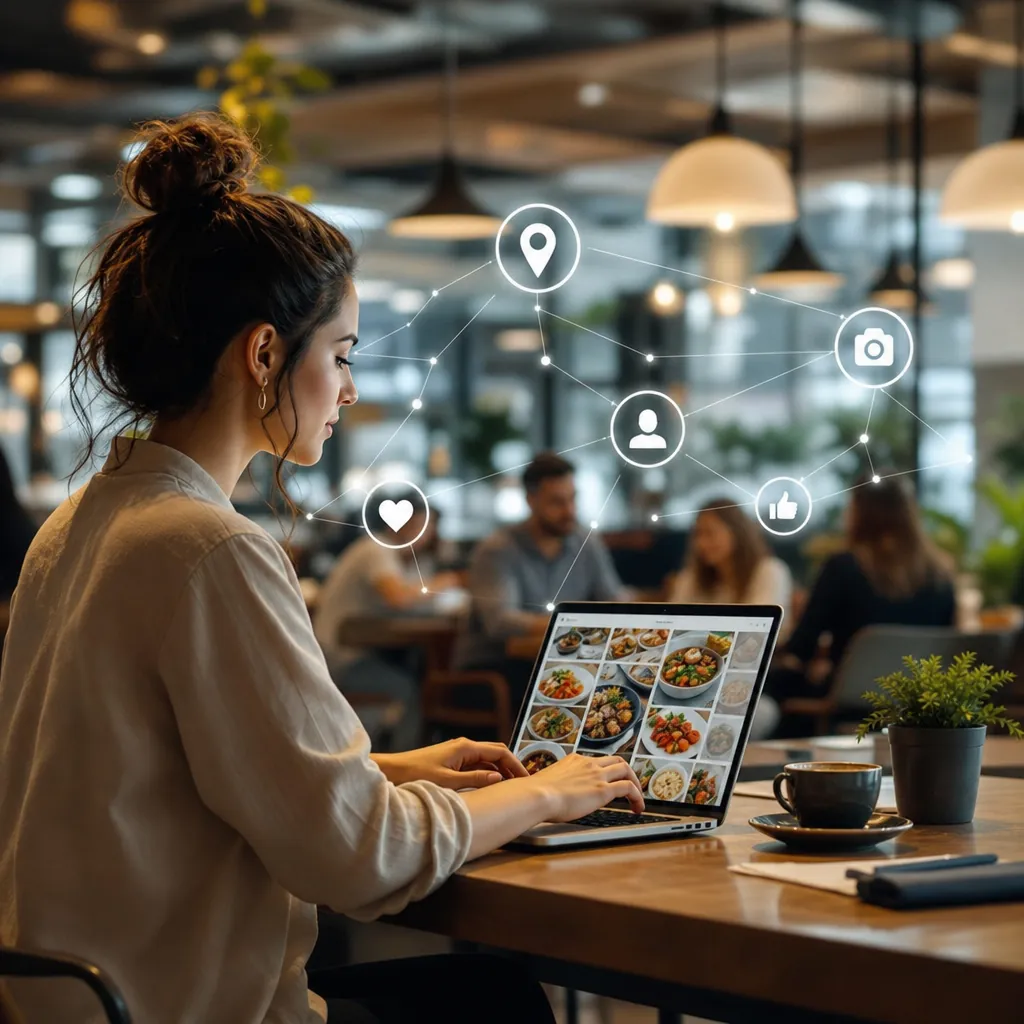
How much should restaurants budget for Google and Meta advertising?
Budgets vary based on restaurant size, location, and goals. Starting with a modest daily budget of $10-$20 per platform allows for testing and learning. Adjust budgets based on performance data and ROI. Focus on cost-per-acquisition targets aligned with average customer spend to maintain profitability.
Can small, local restaurants compete with chains using these ads?
Yes, local restaurants can effectively compete by leveraging precise geo-targeting and personalized messaging. Google and Meta’s platforms allow small businesses to reach highly specific audiences, often at lower costs than large chains. Highlighting unique value propositions and local appeal can differentiate ads.
What are the best times to run ads for slow nights?
Ads should run leading up to and during slow periods, typically late afternoon to early evening on weekdays. Scheduling ads to appear between 3 PM and 8 PM can capture diners planning their evening. Testing different time windows and analyzing peak engagement times helps refine scheduling.
How do I measure if my restaurant ads are effective?
Track specific conversions such as online reservations, calls, or menu clicks. Use Google Analytics and Meta Pixel to attribute these actions to ads. Monitor metrics like click-through rate, conversion rate, and cost per acquisition to evaluate effectiveness. Regularly review data to optimize campaigns.
Are video ads more effective than images for restaurant advertising?
Video ads often generate higher engagement by showcasing ambiance, food preparation, and customer experiences dynamically. However, high-quality images can be equally effective when used creatively. Testing both formats and analyzing engagement metrics will help determine what resonates best with your audience.
In conclusion, restaurant advertising using Google and Meta ads offers a powerful way to address slow nights through targeted, measurable campaigns. By understanding core concepts, applying strategic targeting, optimizing creative assets, and continuously measuring results, restaurants can transform quiet periods into thriving business opportunities. For further insights on digital marketing best practices, consult resources like Google’s SEO Starter Guide or authoritative marketing research from Forbes Agency Council.
Spend smarter
Funnels and landing pages need strategy. See our digital growth approach for restaurants and the restaurant blog .
Turn insights into measurable growth
Book a strategy conversation with Pont Digital. We help startups and SMBs across Canada and the U.S. with SEO, leads, and conversion-focused marketing.